
In Quebec, the best basement flooring is one that handles moisture well, stays stable through temperature changes, and suits how the room is used. In many cases, SPC vinyl, ceramic tile, and certain water-resistant laminate floors are among the strongest options.
Key Takeaways
- A basement requires different flooring criteria than the rest of the home.
- Moisture should be the first thing to assess.
- SPC vinyl often offers the best overall balance.
- Ceramic tile remains a top option for water exposure.
- Modern laminate can work in a dry, stable basement.
- The condition of the subfloor matters as much as the flooring itself.
Why Is Choosing Basement Flooring More Complex in Quebec?
A Quebec basement often deals with more moisture than the main floor of a home. Concrete can release moisture, air can condense, and seasonal temperature swings are common. These factors completely change how flooring should be selected.
It is also important to separate two different issues. Visible water after a leak is not the same as ongoing ambient humidity. Some materials handle one well but react poorly to the other.
A floor that looks great in a dining room is not always the right fit for a basement.
What Should You Check Before Choosing Flooring for a Basement?
Before comparing products, start by evaluating the space itself. Good basement flooring starts with a sound foundation.
Main factors to review:
- Moisture levels in the room
- Risk of condensation or seepage
- Flat, stable surface
- Desired comfort level
- Resistance to daily wear
- Ease of cleaning
- Total budget including installation and prep work
If the floor is uneven or damp, even a quality product may not perform well.
Is Vinyl the Best Basement Flooring in Most Cases?
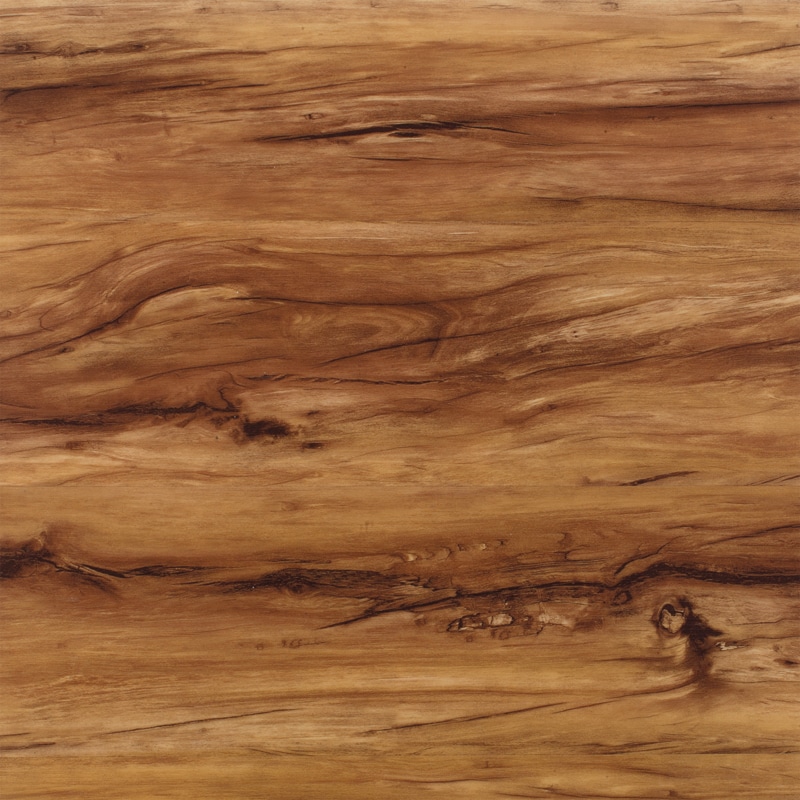
For many homes, yes. SPC vinyl gives homeowners peace of mind because it handles water well and tolerates humidity changes. Vinyl floor covering works in a family room, home office, or rental unit.
Main advantages:
- Water-resistant surface
- Strong dimensional stability
- Easy maintenance
- Wide range of styles
- Often budget-friendly
That said, the base must be properly prepared. If the subfloor has dips or high spots, a click-lock system may not last as long.
For many households, it is the basement flooring option with the best peace-of-mind-to-price ratio.
Is Ceramic Tile the Best Option When Moisture Is a Major Concern?

If your top priority is water resistance, ceramic tile remains a very dependable choice. It performs well in damp areas and offers excellent long-term durability.
Main strengths:
- Excellent resistance to water
- Long lifespan
- Many styles and sizes available
- Compatible with heated floors
Its limits are mostly comfort and cost. It can feel cold without radiant heat, harder underfoot, and more expensive to install. Surface preparation also needs to be more precise.
Can Laminate Still Be a Good Choice for a Basement?
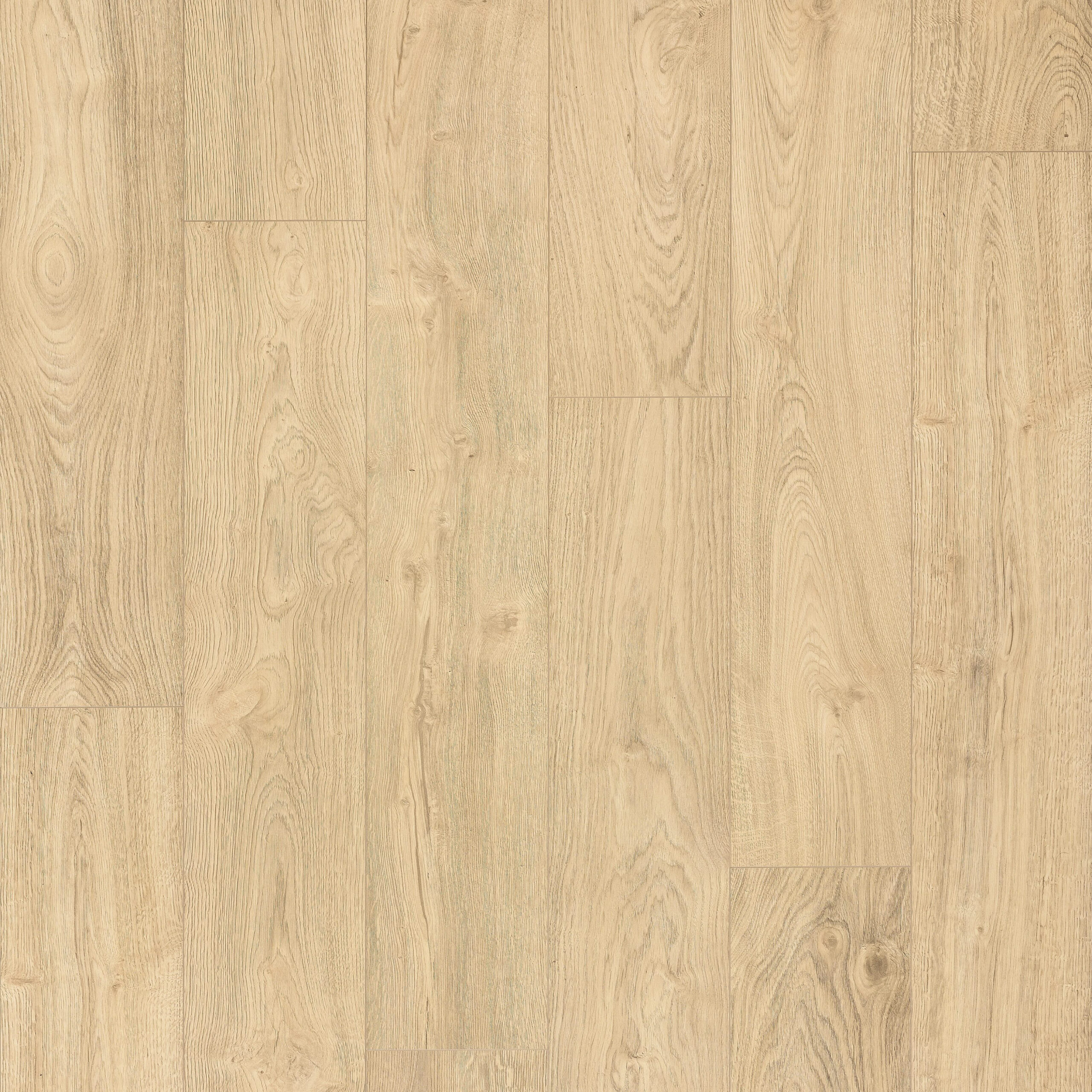
Yes. Some newer water-resistant laminate floor covering can work very well. They appeal to homeowners who want a more realistic wood look and strong scratch resistance.
It may be a good fit if:
- The basement is dry and ventilated
- Humidity stays stable year-round
- A wood appearance is a priority
- There are pets or heavy foot traffic
Caution is still needed in damp basements. Even a quality laminate loses value quickly if installed in the wrong conditions.
How Should You Choose Between Vinyl, Ceramic, and Laminate Based on Use?
The best material depends mainly on how the room will be used.
Family Room
Vinyl offers comfort and simple upkeep.
Rental Unit
Vinyl remains popular for durability and easier management.
Laundry Room or Secondary Entrance
Ceramic or vinyl both work well depending on water exposure.
Basement Bedroom
Vinyl or water-resistant laminate can create a warmer feel.
In practice, the best basement flooring is not the same for everyone.
What Mistakes Should You Avoid Before Installing Basement Flooring?
Problems often come from poor planning rather than the flooring product itself.
Common mistakes:
- Choosing based only on appearance
- Ignoring moisture levels
- Installing over an uneven surface
- Assuming water-resistant means no limits
- Overlooking manufacturer guidelines
- Expecting a miracle product after major water damage
Good basement flooring depends on a smart decision and installation suited to the space.