The kitchen is the most demanding room in the home. Grease, pigments, water, crumbs, chairs moved every day, and constant foot traffic put any floor under real pressure. In this space, the decision cannot be based on appearance alone.
The goal is straightforward. Choose a floor that looks good, performs reliably, and causes no ongoing headaches. One that holds up to daily life and helps avoid unpleasant surprises or costly renovations. A kitchen floor covering should tolerate normal wear and small mistakes without requiring constant attention.
To make a sound decision, we compare vinyl, next-generation laminate, and ceramic across four essential criteria: stain resistance, water management, real-world wear, and ease of maintenance.
Which Criteria Matter Most When Choosing Kitchen Floor Covering
Before comparing materials, it is important to understand the real constraints of a kitchen. This is not a static room. It is an active, high-use space exposed to frequent messes and constant changes. A good choice starts with the right priorities.
Stains and Cleaning: What Truly Makes the Difference
Everything starts with the surface. The more heavily textured a finish is, the more places dirt has to settle. In a kitchen, pigments such as tomato sauce, coffee, and wine, along with grease and fine dust, quickly work their way into deep textures.
In a busy kitchen, overly embossed finishes make cleaning harder than it needs to be. A light, realistic texture offers a better balance. It provides visual interest without turning routine cleaning into a chore. Kitchen flooring should be easy to clean in a few minutes, without scrubbing every groove or joint.
Water vs Humidity: Why They Are Not the Same
Water and humidity are often confused, but they affect flooring in very different ways. Water comes from spills, washing, and splashes. Humidity relates to the surrounding air, steam, and seasonal changes.
When a product is described as water-resistant, that resistance does not always mean the same thing. Some materials handle everyday spills well but require specific cleaning methods. Others are fully waterproof and tolerate direct contact with water more easily. Understanding this distinction is essential when choosing floor covering for a kitchen.
Wear and Scratches: The Reality of Daily Use
Foot traffic alone rarely damages a floor. Abrasives do. Sand, small stones, winter salt, and hard crumbs under chairs gradually wear down the surface. Kitchens are often transition zones, which increases this type of stress.
Flooring used in the most active room of the home should have a durable wear layer that resists scratching, especially where chairs are frequently moved or traffic is heavy.
Standing Comfort and Fatigue: The Overlooked Factor
Comfort is often ignored during the buying process. Over time, however, a very hard surface can feel tiring if you cook often or stand for long periods. Comfort deserves the same level of consideration as stain resistance or water protection, particularly in a kitchen used every day.
Which Material Is the Most Low-Maintenance for a Kitchen: Vinyl, Laminate, or Ceramic
When ease of maintenance and peace of mind are the priority, vinyl often comes out ahead. Next-generation laminate has become a very strong alternative, while ceramic remains the benchmark for durability, though it comes with higher installation demands.
Vinyl: Why It Often Wins on Ease of Care and When It Does Not
Vinyl floor covering is appreciated for its tolerance to water and its simplicity in everyday use. It is easy to clean and forgiving of common mishaps, which makes it a reassuring choice for many homeowners.
SPC click vinyl floors offer good dimensional stability and often include an attached underlay, which can be helpful in condos for comfort and sound control. The main limitation of click vinyl is the subfloor. It must be very flat. Once installed, the locking system is rigid, and uneven surfaces can lead to stress points and long-term issues.
Next-Generation Laminate: When It Becomes a Strong Option
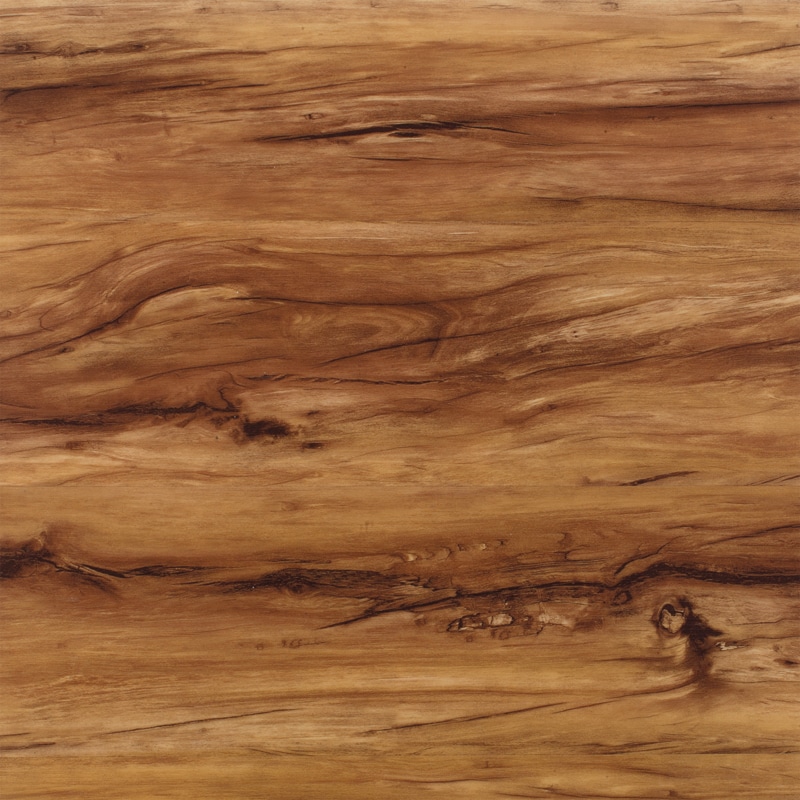
Laminate floor covering stands out for its resistance to surface wear and scratching. In a heavily used kitchen, this advantage is tangible. While laminate was once limited by its sensitivity to water, modern products have changed significantly.
Water-resistant laminate can now be used in kitchens, provided proper care is taken. This includes avoiding overly wet mopping and wiping up spills promptly. Under these conditions, laminate becomes a durable and reliable flooring option for this space.
Ceramic and Porcelain: Maximum Durability, at What Cost
Ceramic flooring tiles and porcelain are unmatched when it comes to water resistance and wear. Their lifespan is exceptional, and design options are extensive. When properly installed, these surfaces can last for decades.
The drawbacks lie elsewhere. Ceramic flooring is generally more expensive than vinyl or laminate, both in material cost and installation. Grout joints can darken or stain over time, especially with cement-based grout. Subfloor preparation and installation require more precision and labour. The surface is also harder underfoot, which can affect comfort during long periods of standing.

How to Choose the Right Vinyl for a Kitchen: Click vs Glue-Down or Loose-Lay
Not all vinyl floors perform the same way. Installation method has a direct impact on performance, maintenance, and how easily issues can be managed.
Click Vinyl (SPC): Who Is It Best For
Click vinyl works well for homeowners and condos looking for a modern appearance, floating installation, and simple maintenance. It offers good stability and a solid balance between comfort and durability, provided the subfloor is properly prepared.
Glue-Down or Loose-Lay Vinyl: Why It Works Well for Rentals and Property Management
In rental settings, predictability matters. Glue-down or loose-lay vinyl can make it easier to replace specific areas and limit long interruptions. This approach is often chosen to reduce unexpected maintenance challenges.
Three Checks That Prevent Most Problems
- Check subfloor flatness. Click systems installed over uneven surfaces tend to fail over time.
- Identify areas exposed to direct sunlight. Protection is recommended for all flooring types.
- Use pH-neutral cleaners and a well-wrung mop. Proper cleaning methods extend floor life more than any marketing claim.
Which Kitchen Floor Covering Is Best for Your Situation
- If you want maximum peace of mind and fast, simple cleaning, vinyl is often the most practical choice for a kitchen.
- If scratch resistance and a realistic wood look are priorities, water-resistant laminate is a strong option.
- If long-term durability and complete water resistance come first, ceramic or porcelain remain reliable choices.
- If you manage a condo or rental property, vinyl, whether click or glue-down depending on the context, offers a stable and predictable solution.