A beautiful floor is not a photo. It is what you live on every day, often without thinking about it. And flooring trends in 2026 are not only about style. They are about peace of mind, credible surfaces, and materials that handle daily life, especially with our humidity and temperature swings in Quebec.
You may be shopping for a family home, a condo where acoustics matter, or a rental property where every decision needs to hold up. In every case, the guiding principle is the same. A floor that is attractive, reliable, low maintenance, and protective of long-term value.
What Are the Major Flooring Trends 2026 (Colours, Textures and Formats) to Prioritize for a Durable Style?
Warmer, More Natural Colours (Wood, Stone, Nuanced Concrete)
Cool, flat tones are losing ground. In 2026, surfaces move closer to natural materials, with bases that are easier to live with over time.
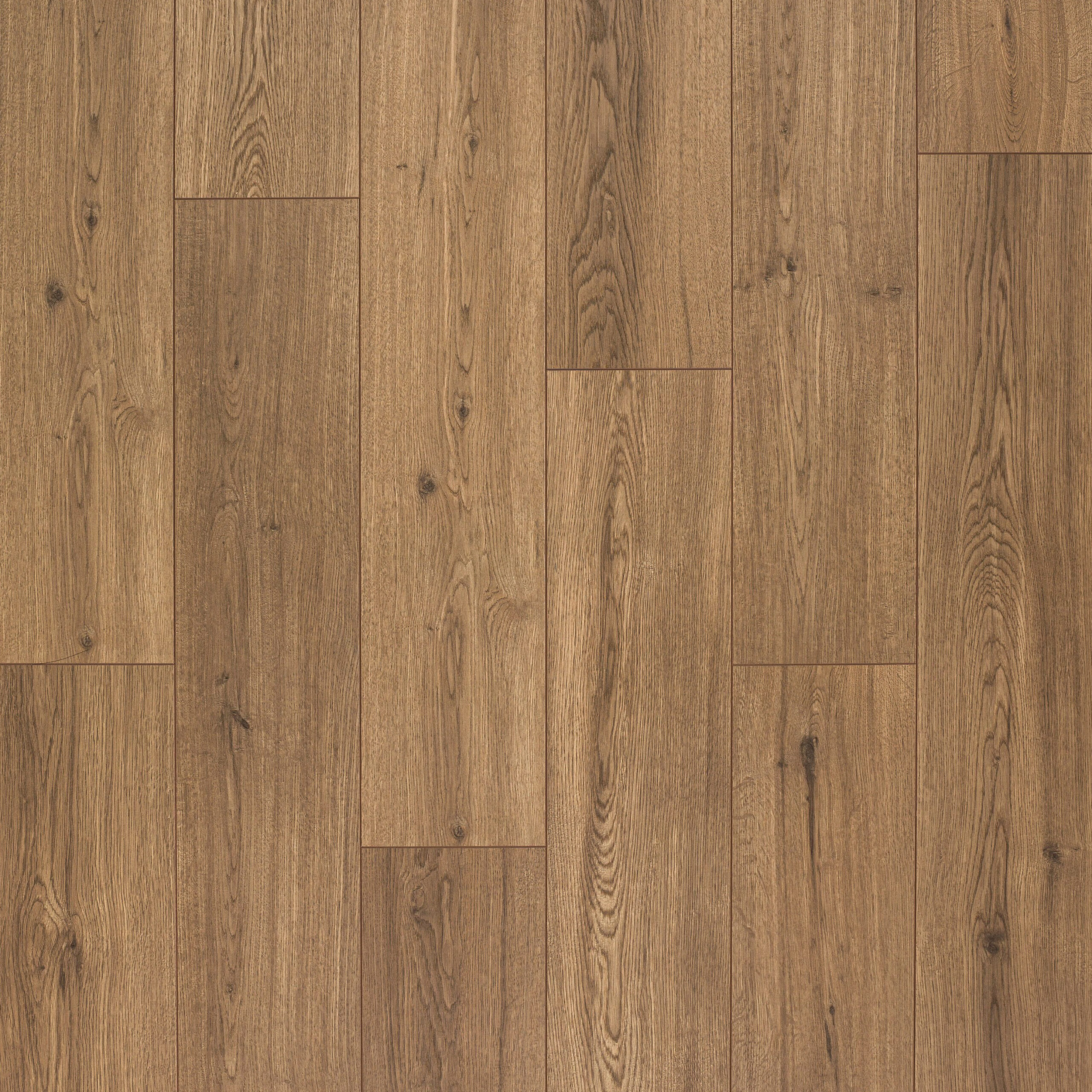
- Honey browns and warmer oak tones that add warmth without making a room feel heavy.
- Soft sand beiges and natural greiges that pair well with current wall colours.
- Stone and concrete effects with subtle variation to avoid a flat, uniform look.
This approach also supports resale value. A warm, neutral base tends to age better, which aligns with the intent behind flooring trends in 2026.
More Realistic Textures (Grain, Relief, Natural Effect Rather Than Uniform)
The major shift is realism. Wood grains look more authentic. Embossed surfaces are better synchronized with the visual pattern, which makes the floor feel more convincing underfoot.
There is an important practical detail. The more pronounced the texture, the more dirt can settle into it, especially in kitchens and entryways. A balanced texture gives you visual depth without making cleaning more demanding.
Dominant Formats: Wide Planks and Large Tiles, with a Targeted Return of Multi-Format Tile
Wide planks remain strong. Large-format tiles continue to perform well. They visually expand a space, reduce visible seams, and create a calmer layout, particularly in condos.
At the same time, multi-format tile layouts are making a careful return. Rather than one large tile everywhere, some homeowners are introducing pattern and variation in entryways or powder rooms for added character.
What Innovations Make 2026 Floors More Reliable and Low Maintenance (Waterproof, Stability, Acoustics)?
Waterproof / Water Resistant: What It Really Means (and the Limit in a Major Water Event)
The word “waterproof” is reassuring, but it needs context. The goal behind flooring trends in 2026 is to reduce daily stress, not to eliminate the consequences of a major flood.
- What it handles well: spilled drinks, wet boots, splashes near the sink, stepping out of the shower with quick wipe-up.
- What changes the equation in a basement: a product may tolerate ambient moisture, but the subfloor and structure must still dry properly.
The clear limit: a major water loss often affects the subfloor, insulation, and walls. Even if the surface performs well, restoration work is still required.
Next-Generation Vinyl (SPC): Improved Stability in Changing Conditions
Vinyl has gained ground because it addresses everyday water concerns. Technically, SPC cores improve dimensional stability. The mineral content makes the product less sensitive to temperature fluctuations, which matters in our climate.
Another practical benefit is the attached underpad found in many vinyl products. It simplifies installation and supports basic impact sound control in condos and multi-unit buildings.
Condo / Multi-Unit Living: Attached Underpad vs. Custom Acoustic Underlayment
If sound control is your priority, underlayment selection matters. With vinyl, the pad is often pre-attached, which simplifies installation but reduces flexibility.
With laminate flooring, you can typically select the underlayment that fits your needs. Budget, condominium bylaws, and impact sound targets can all influence the choice. That flexibility supports a more tailored decision aligned with flooring trends in 2026.
Which Material Should You Choose in 2026 Based on Your Reality (Vinyl, Laminate, Tile) to Avoid Costly Surprises?
Vinyl (Click, Glue-Down, Loose Lay): Why It Reassures Homeowners
Vinyl remains popular because it removes friction from daily life. It handles everyday water exposure, is easy to maintain, and stands up well to heavy use. In rental and multi-unit settings, it offers added peace of mind thanks to its durability and tolerance for wear.
Keep two points in mind. Click vinyl requires a very flat subfloor within manufacturer tolerances. If the surface is uneven, locking systems can move and weaken over time. In the event of a major water incident, click products are often more difficult to remove and reuse than glue-down or loose-lay vinyl.
When comparing options, evaluate vinyl floor covering not only for colour but also for installation conditions.

Next-Generation Laminate: Why It Is Making a Strong Comeback
Laminate floor covering has long been known for strong scratch and wear resistance. For homes with pets, children, or heavy foot traffic, that durability matters.
Water resistance has also improved. Newer laminate collections are better designed to handle everyday spills. As always, proper installation and stable indoor humidity remain essential.
Ceramic / Porcelain Tile: When It Is Unmatched, and When It Costs More
Ceramic and porcelain tile remain leaders in water resistance, wear performance, and design variety. If you are installing radiant floor heating, porcelain performs especially well because it retains and distributes heat efficiently.
The cost extends beyond the ceramic tile itself. Structural preparation, uncoupling membranes, potential reinforcement, and skilled labour all add to the total investment. It is the right choice when durability is a priority and you are prepared for a more involved installation process.

How to Decide in 3 Simple Steps (Room, Constraints, Maintenance) for a Floor That Lasts
1. Identify Your Primary Constraint: Water/Moisture, Scratches/Abrasives, Acoustics, Comfort
Your main constraint matters more than colour. An entryway with sand and wet boots. An energetic dog. Condo noise requirements. A damp basement. When the primary concern is clear, the material choice becomes more straightforward and aligned with flooring trends in 2026.
2. Validate the Room: Entry (Abrasives + Water), Kitchen (Soiling + Texture), Basement (Moisture), Bathroom (Water + Slip Resistance)
One material throughout the home can work, but only if it performs well in the most demanding area. In Quebec, an entryway brings water and grit. Kitchens collect contaminants. Basements require moisture control. Bathrooms demand secure footing.
3. Secure Installation and Maintenance: Subfloor Tolerances, Relative Humidity, Neutral-pH Cleaners
The most valuable flooring trends in 2026 are often invisible. They depend on proper execution.
- A compliant, properly levelled subfloor, especially for click systems.
- Stable indoor relative humidity before, during, and after installation, particularly for floating floors.
- Simple maintenance using a neutral-pH cleaner and a well-wrung mop to prevent unnecessary water from entering joints and locking systems.
When these conditions are respected, your floor maintains its appearance longer and the risk of squeaking, swelling, or premature repairs is significantly reduced.