
-
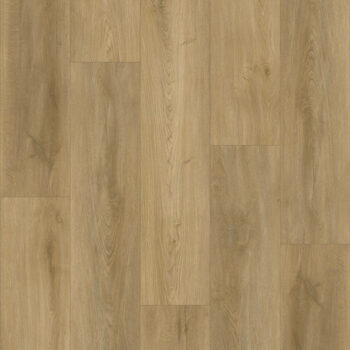
Evolution Purflex Plank BanksComing soon
-
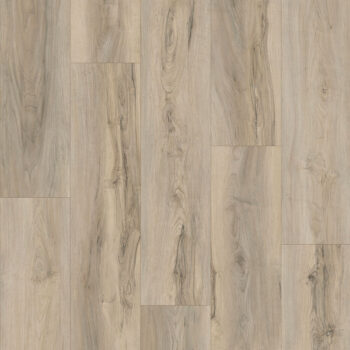
Evolution Purflex Plank Cape CoralComing soon
-
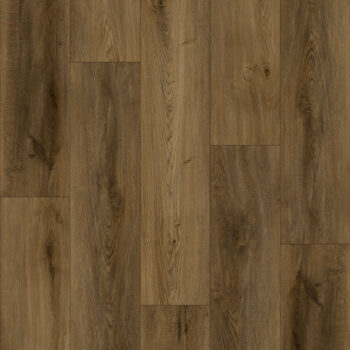
Evolution Purflex Plank TobianoComing soon
-
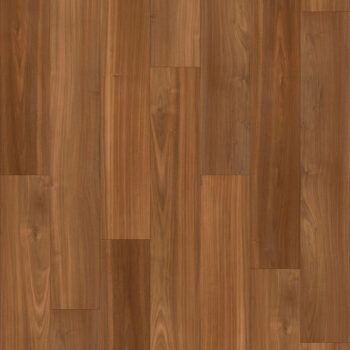
Evolution Purflex Plank WalnutComing soon
-

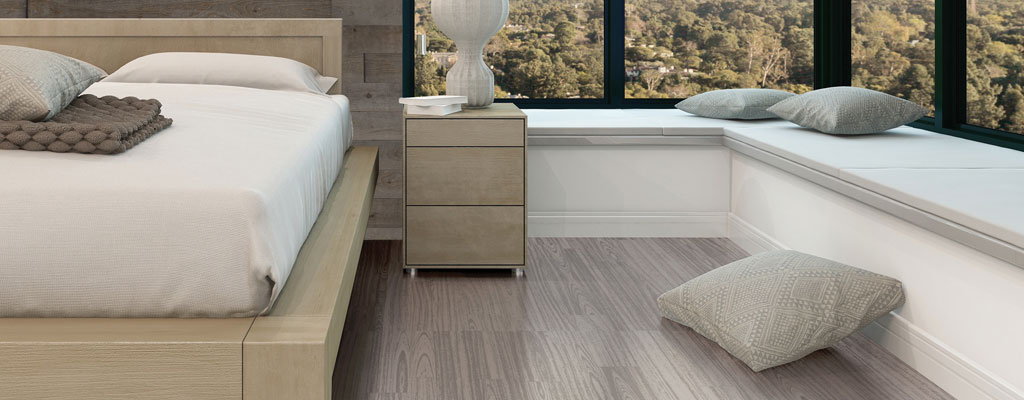
Evolution Purflex Plank
Whistler -

Evolution Purflex Plank
Alta -

Evolution Purflex Plank
Flora -

Evolution Purflex Plank
Odda -

Evolution Purflex Plank
Ski -

Evolution Purflex Tile
Calacatta Grey -

Evolution Purflex Tile
Ceppo Moka -

Evolution Purflex Tile
Concreto Grey -

Evolution Purflex Tile
Pietra Ivory -

Evolution Purflex Tile
Terrazzo Blanco -

Evolution Purflex Tile
Statuario Gold -

Evolution Rise Serie
Natural Dorado -
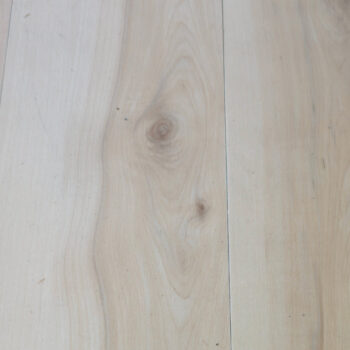
Evolution Rise Serie
Natural Maple -

Evolution Rise Serie
Compass
Discontinued -

Evolution Rise Serie
Corvi
-

Evolution Rise Serie
Lacerta
-

Evolution Rise Serie
Lyra
FAQ: Answers to your questions about vinyl floor covering
What are the benefits of vinyl floor covering?
Vinyl flooring offers great resistance to moisture, easy installation with lock systems, and a variety of styles that mimic wood or stone at a lower cost.
What’s the difference between the Purflex and Azura collections?
The Purflex collection offers 100% waterproof vinyl flooring with a glue-free locking system, while Azura features elegant designs with a matte finish, ideal for modern spaces.
Can vinyl flooring be installed over existing flooring?
Yes, many of our vinyl floors can be installed directly over existing floors, as long as they are clean and level, providing a quick and efficient renovation. For more advice, feel free to contact the nearest flooring store.
How do I maintain vinyl flooring?
Use a soft broom or a vacuum cleaner without a rotating brush to remove dust, and clean with a slightly damp cloth and a cleaner suited for vinyl to maintain its appearance and durability.
What is the difference between vinyl floor covering and laminate floor covering?
Vinyl floor covering is water-resistant and ideal for moisture-prone areas, while laminate floor covering offers a wood-like appearance but is less tolerant of moisture.
What thickness should vinyl flooring be?
The ideal thickness for vinyl flooring is generally between 4 mm and 8 mm. Thicker models offer better sound insulation and increased durability, especially for high-traffic areas.
What’s the difference between vinyl flooring and PVC flooring?
Vinyl and PVC (polyvinyl chloride) are often confused because they are part of the same plastic material family. However, vinyl is generally softer and more pleasant to the touch, while PVC may be more rigid. Both are water-resistant, but vinyl is often preferred for its flexibility and ability to mimic different materials.
How do I choose the right vinyl flooring?
When selecting vinyl flooring, consider the product thickness, the protective layer, the type of installation system (click or adhesive), as well as the patterns and finishes that will complement your décor. For detailed advice, check out our vinyl flooring buying guide.